Whether you are a realtor selling a luxury waterfront estate in Islamorada or a marketing manager capturing content for a resort in Key West, the difference between a "viral" video and a flop often lies in the preparation. Cameras today are unforgiving; high-definition 4K video picks up every scuff, wrinkle, and mismatched bulb. While post-production can fix some issues, it cannot fix a space that feels cluttered or neglected. It's time for our Real Estate Preparation Checklist
At Digital Peak Productions, we believe that 80% of the work happens before we even hit "record." To help you achieve that cinematic look—whether you are hiring pros or shooting a quick social tour yourself—we have compiled the ultimate preparation guide.

The "Camera-Ready" Checklist
Save this list for your next shoot day. I promise your team will love you for it.
- Lighting: Ensure all light bulbs match in color temperature (all warm or all cool).
- Fans: Turn OFF all ceiling fans to prevent strobing and visual noise.
- Surfaces: Clear all countertops; hide trash cans, soap dispensers, and tissue boxes.
- Linens: Steam all bed sheets and duvets; fluff pillows vigorously.
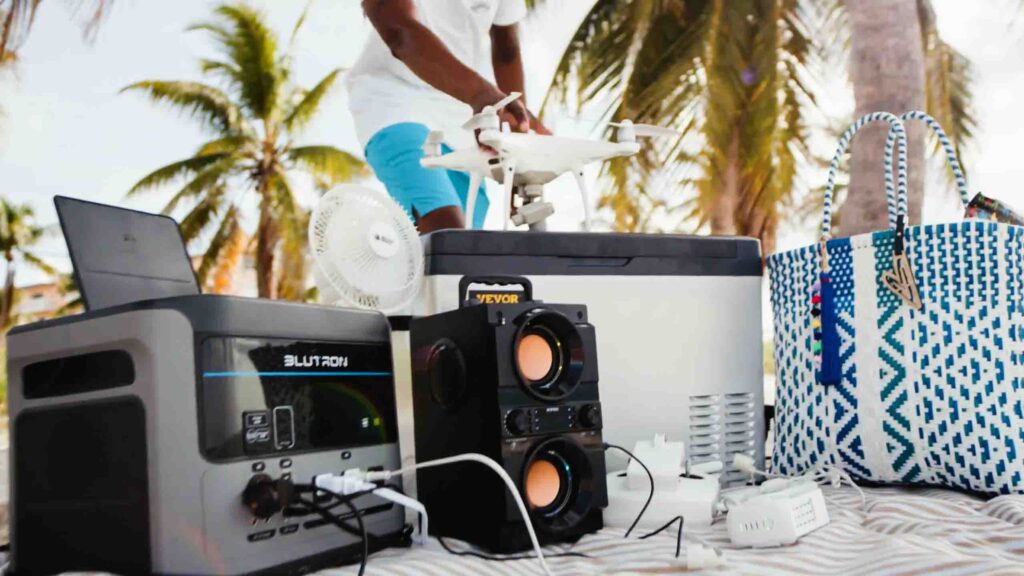
- Cables: Tuck away all visible cords, chargers, and power strips.
- Floors: Remove small area rugs and bathmats to open up the floor plan.
- Maintenance: Complete paint touch-ups; magic erasers on scuff marks.
- Exterior: Wet down the pool deck (evenly) for a luxury sheen.
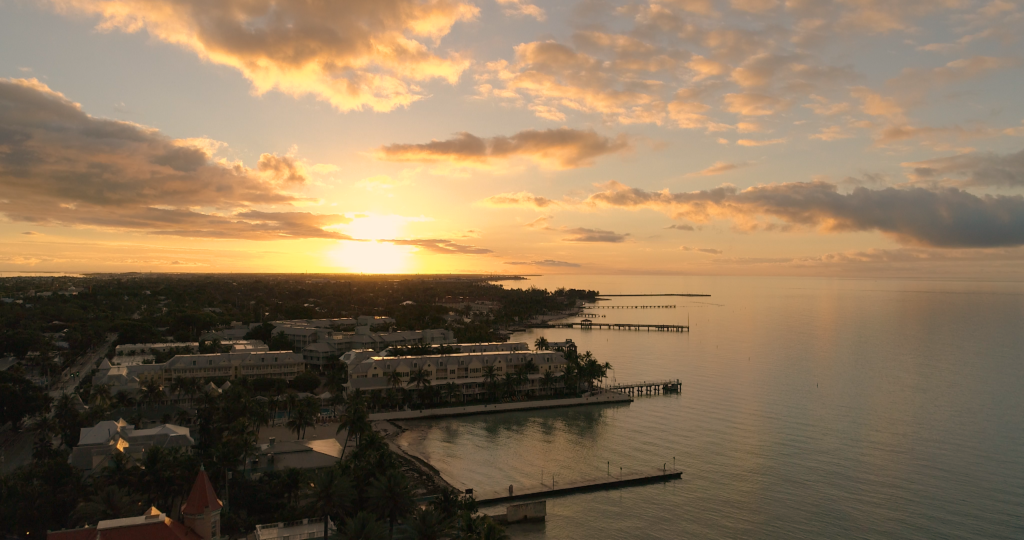
- Timing: Schedule interiors for mid-day; exteriors for Golden Hour.
- Lifestyle: Bring in talent (faceless/ambient) to add life without cheese.
Experience why this works HERE! What do you think of our Real Estate Content Preparation Checklist? Let us know.

1. Bringing in Talent: Creating Life Without the "Cringe"
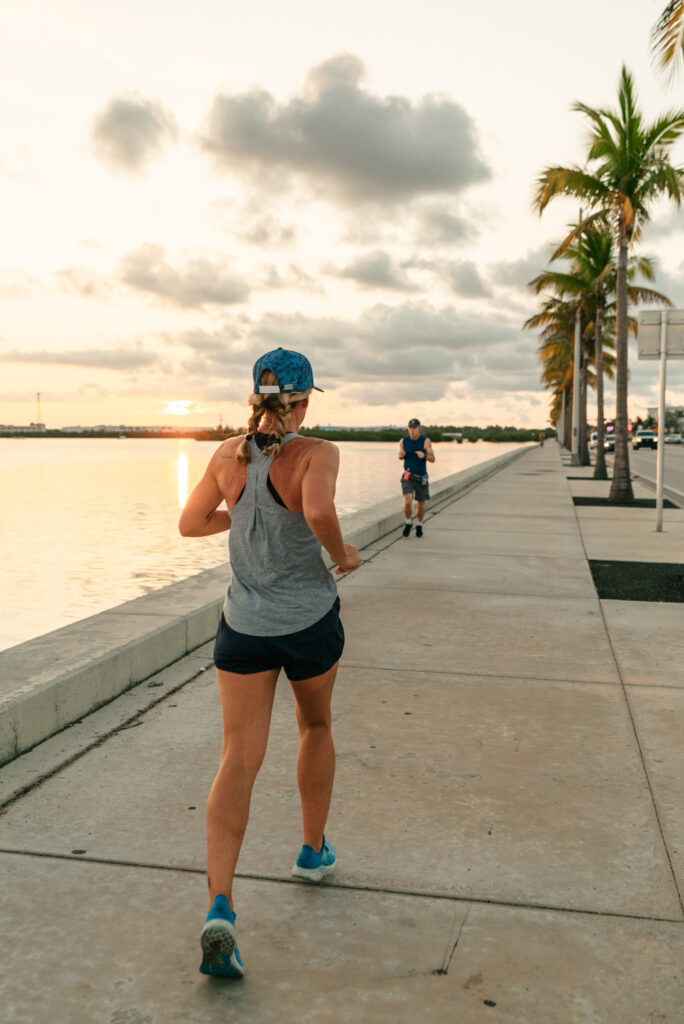
One of the most searched topics in real estate marketing is "how to make a home look lived in." An empty home feels cold, but bad acting feels corny. The secret is "lifestyle acting" that creates ambiance without stealing the show. Focus on energy, like this example with Hyatt South Beach.
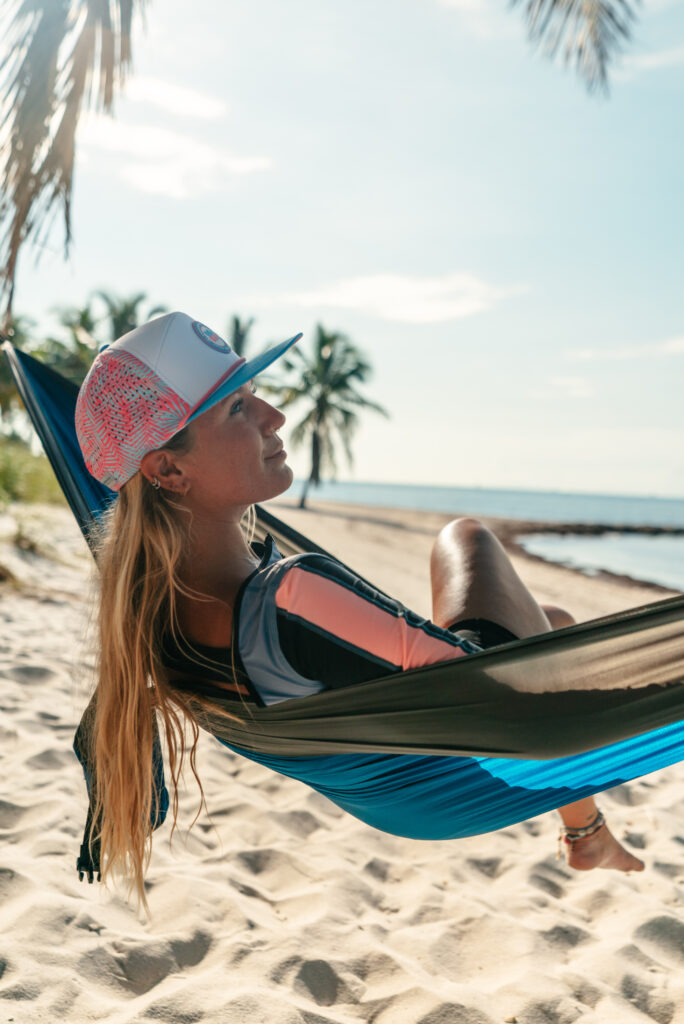
- The "Faceless" Technique: You don't need professional models with perfect smiles. In fact, for real estate and hospitality, we often prefer filming from the neck down or from behind. A shot of a hand pouring wine, a couple walking away down a beach path, or someone reading a book in a hammock (face obscured by a hat) allows the viewer to project themselves into the scene.
- Avoid the "Vanna White": Instruct your talent (or friends) not to point at features. We can see the kitchen island; we don't need a hand gesturing toward it. Instead, have them use the island—perhaps slicing a lime or leaning against it while chatting. Natural movement beats staged posing every time.
2. Lighting Consistency: The Kelvin Scale Matters
Nothing screams "amateur" faster than a room with mixed lighting. If your bedside lamps are casting a warm, orange glow (2700K) and your overhead high-hats are blasting cool, blue daylight (5000K), the camera sensor will get confused, resulting in muddy, unattractive skin tones and wall colors. See this example we shot with The Westin LGA.
- The Fix: Before the shoot, do a bulb check. Match every light source in a room to a single color temperature. For residential and resort warmth, we recommend Soft White (3000K). If you are relying heavily on window light, turn off the interior lights entirely to avoid the color clash.
3. The Fan Fiasco: Why Stillness is Key
In the Florida Keys heat, turning off the AC or fans feels like a crime, but for video, it is mandatory. This one is my biggest pet peeve when people miss it in their Real Estate Content Preparation Checklist.
- Visual Noise: A spinning fan blade creates a frantic energy in the video frame. It distracts the eye from the architecture.
- The Strobe Effect: Video is a series of still images. If your shutter speed conflicts with the speed of the fan blades, it can cause a strobing or flickering effect that makes the footage unusable.
- The "Stale" Myth: Some realtors worry a still fan looks "stale." On the contrary, a still room looks serene and calm. Let the motion come from the camera movement (a slow slider shot), not the ceiling fan.

4. Paint and Polish: Ethics in Editing
We often get asked, "Can't you just Photoshop that?" While static photos allow for some digital touching up, video editing cannot easily remove scuff marks, holes in the wall, or chipped paint.
- The Ethical Line: There is also an ethical line in real estate advertising. You cannot misrepresent the condition of a property. Digitally painting a wall that is actually peeling is a liability. It is always better, cheaper, and more honest to perform the actual maintenance. Bring a Magic Eraser and a small pot of touch-up paint to the shoot. It takes ten minutes and saves hours of headache.
5. Decluttering: Hiding the "Human" Evidence
Your goal is to sell a fantasy of tidiness.
- Trash Cans: Hide them all. Kitchen, bathroom, office. Even a high-end stainless steel bin is still a trash can.
- Bathmats and Rugs: Small rugs chop up the floor space, making rooms look smaller. Remove bathmats to show off the tile or stone flooring. It makes the bathroom feel larger and more spa-like.
- Kitchen Counters: Remove the toaster, the blender (unless it's a high-end statement piece), the knife block, and the dish soap. Clear counters imply luxury and ample workspace.
6. The Hotel Standard: Steaming and Fluffing
The bed is the focal point of the bedroom. A wrinkled duvet cover looks messy and uninviting on 4K video.
- Steam It: Invest in a handheld steamer. Run it over the duvet cover and the pillowcases.
- The Karate Chop: Fluff the pillows aggressively to give them volume, but avoid the dated "karate chop" dent in the middle. Go for a full, rounded, high-end hotel look.
- Tuck It Tight: Ensure the sheets are pulled tight with "hospital corners." Loose fabric creates shadows that look messy on camera.

7. Exterior Tips: Wet Decks and Solar Studies
Outdoor living is the selling point of the Keys.
- The Wet Look: A dry concrete or paver pool deck can look chalky and bright white in the sun, blowing out the exposure. Lightly hosing down the deck creates a rich contrast, darkens the stone, and gives it a high-end, resort-style sheen. However, ensure it is an even wetness; patchy dry spots look sloppy.
- Timing the Sun: Use apps like SunSeeker to track the sun’s path. You want to shoot the pool when it is in full sun (no shadows from the house). Conversely, you want to shoot interiors when the sun isn't blasting directly through the windows, which creates harsh contrast. Overcast days are actually fantastic for interiors as the clouds act as a giant soft-box diffuser.
That's a Wrap!
By following this Real Estate Content Preparation Checklist, you instantly elevate the property's perceived value. Whether you are shooting a quick Reel for Instagram or hiring Digital Peak Productions for a full brand campaign, a prepped property is the canvas upon which we paint the dream.